
The decision to make first
Compare the host’s directions with the entrance you used at arrival. If they differ, ask which one is appropriate for receiving an outside visitor. A familiar resident shortcut may not be open to a person arriving independently. Keep entry instructions in the private booking conversation and share only what is necessary. Do not publish codes or rely on another resident opening a controlled door.
How it changes the local plan
Plan the downstairs meeting as part of the appointment window. If the lift requires your key, be ready to receive the therapist after the arrival update. If the building has an approved guest procedure, follow it instead of improvising a route through another entrance. A room number becomes useful after the correct tower and lobby have been identified; it cannot replace them.
Before you make the window definite
Before dispatch, read the destination aloud as building, entrance and room or unit. If any part is unclear, resolve it with the host. Keep the destination stable after travel is agreed. If a host tells you to use another building or room, send the change explicitly and wait for acknowledgement. This avoids turning a residential visit into a search around a large complex.
A concrete version of this decision
Two units in the same Dongchun development may use different towers or receiving doors. If a friend sends the complex name while the host sends a tower reference, combine them into one checked record rather than choosing whichever message looks simpler. The therapist should not need to search several lobbies to discover where the room number belongs.
Ask the host which detail distinguishes your building from the rest of the complex. Use that detail before adding the unit. If you must meet downstairs, include it as part of the visit window and remain available for the arrival message. Precise reference and permitted access work together.
Locate the Dongchun side of the stay
Dongchun Station belongs to Incheon Subway Line 1. Its station information identifies neighbourhood facilities around the stop, which makes the station useful for orientation, but a station name does not identify every residential tower in Dongchun. Check whether your host's map pin corresponds to the pedestrian approach or a vehicle entrance. A visitor arriving by road may use another side of the complex from the exit you used after a train journey. Give the building's own road address and entrance instruction together so those two approaches can be reconciled.
The name Songdo needs particular care here. Ramada Songdo Hotel is a separately named hotel from the hotels around Songdo Central Park and the convention district. If a booking confirmation says Ramada Songdo, retain that full name and its published address rather than replacing it with a general Songdo landmark. Holiday Inn Incheon Songdo is another property with its own address on Incheon Tower-daero. These examples show why a hotel brand, branch and road can convey more reliable information than a convenient neighbourhood description shared by several stays.
Build a Dongchun outing around actual stops
Yeonsu's tourism information places the Memorial Hall for Incheon Landing Operation on Cheongnyang-ro and the Incheon Metropolitan City Museum on Cheongnyang-ro 160beon-gil. They are useful cultural choices for someone interested in local history, rather than interchangeable labels for a shopping district. Check their visitor information and opening notices before selecting the day. Save the return destination separately from each attraction pin. After an indoor museum visit, you may choose a direct meal and room return instead of making an additional journey into the newer Songdo waterfront area.
Cheongnyang Mountain spans parts of Ongnyeon, Cheonghak and Dongchun in the district's description. An outing associated with that mountain can therefore end away from the entrance you expected when you first planned it. Select a route suitable for your energy and the conditions, and keep the agreed exit in the itinerary. The district also identifies Songdo Food Alley as a dining area. A meal there should be booked or checked on its own terms, with the specific restaurant's address and current service hours, rather than assumed to be available because the broader food area appears on a map.
Send a building instruction that can be followed
For a tower-based stay, ask the host to distinguish the complex name, tower label and receiving lobby. Korean building signage can be easier to match if you retain the original name alongside the English message. A screenshot showing the approved entrance can help, but crop out unrelated access codes or other residents' information. If the approach crosses a courtyard, describe the visible tower marker and the final door. A clear sequence from the public road to the permitted meeting point is more useful than a long list of nearby cafés that may close before arrival.
When returning from Dongchun Station, check the operator's current timetable for the day and travel direction. Do not carry a daytime connection estimate into a late-night plan without checking the remaining service. If you use a taxi, keep the building address ready and account for any walk from the drop-off point to the room. Once the guest has returned, confirm that entry permission and the chosen treatment space are available. The arrival estimate can then be discussed for one receiving property, with the selected course and full price confirmed before dispatch.
Plan the visit around your actual stay
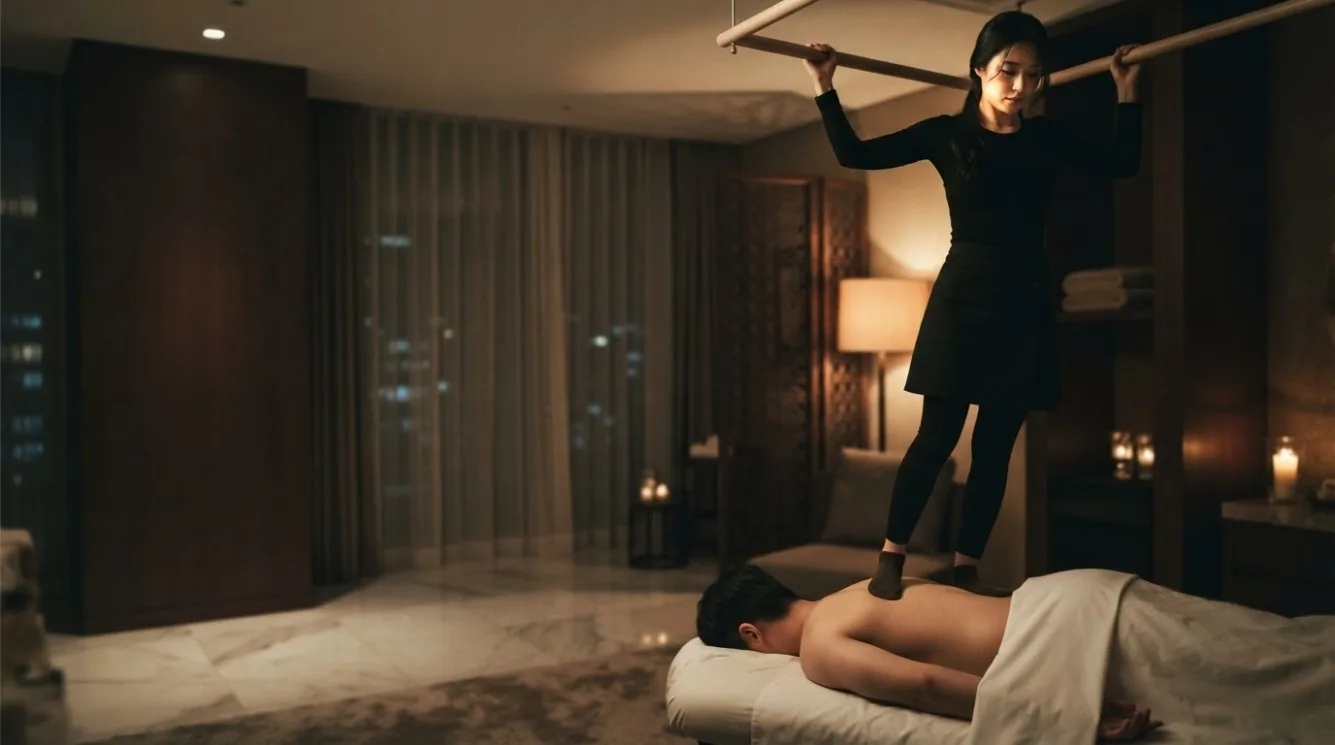
For Incheon Outcall Massage, use the receiving property and your room-ready window when you enquire. Confirm current local availability before relying on a visit.