Notice the categories of trade
Walk a short section with attention to materials, shop presentation and regular customers. Ask about an item only when you have a real question, and leave delivery or working space clear. The market is not a museum display; it is a place where people carry out ordinary business. That fact is part of its interest.
Choose food after observing
Look around before deciding which meal or snacks you want. A small number of choices can be more enjoyable than continuously buying because every stall appears different. Discuss the particular ingredients or preparation if dietary needs matter. Do not assume a market dish is suitable merely because its main ingredient sounds familiar.
Keep the purchases practical
Buy bulky items near the end or arrange a return to the accommodation before another substantial walk. The experience can remain rich without a large purchase. A note about a material, a shop category or how food trade differs from textile trade gives the visit a more distinctive memory than simply counting dishes.
Why a textile market changes the way you browse
Seomun is not simply a collection of snack stalls. Textile-related trade is central to its identity, with fabric and clothing among the categories highlighted by official tourism information. That creates a different kind of visit from a food-only circuit. Decide whether you want to look at materials, compare ready-made garments or understand how a market supports household purchases. A visitor interested in textiles can focus on the qualities visible in an actual sample: texture, weight, color and the intended use. If buying fabric, ask what the quoted amount measures and whether cutting affects returns. These are shopping questions to settle with the seller, not assumptions that every stall uses the same terms.
A meaningful souvenir does not have to be large or expensive. Someone interested in sewing may find a small material purchase more useful than a garment chosen hurriedly. A traveler without that interest can enjoy the contrast between cloth trade and the food settings without buying anything. Keep photography considerate around active trading and avoid blocking a narrow aisle to arrange a perfect composition. The market’s informational value comes from paying attention to a category and how people purchase it. A simple note about the product, the seller’s explanation and the choice made will be a better memory than a count of stalls passed.
Give textiles and food separate chapters
Browsing is easier before carrying a full meal or bulky purchase. Start with the category you most care about, keep a place to meet companions and establish where the food chapter will begin. A clothing-led traveler may need to compare sizes or materials; another may prefer a shorter browse followed by lunch. Neither has to complete the entire market. The shared meal can bring the different interests together. Use the current food stall or restaurant menu, and ask about ingredients that matter to you. A snack is not automatically suitable for every diet merely because it is traditional or widely photographed.
Distinguish the daytime market visit from an intended night-market outing. Do not assume that the same stalls, operating arrangements or food choices continue unchanged into the evening. Check the current announcement for the date of your stay if the nighttime experience is the main purpose. A traveler who has a fixed appointment later should choose a meal window that leaves a believable return rather than rely on a general description of nightlife. If the evening arrangement is unavailable, the daytime textile and commercial visit can still supply a full chapter. Its value is independent of a particular nighttime atmosphere.
Arrival geography and one cultural contrast
Seomun Market Station on Daegu’s Line 3 is a useful transport reference, but select the exit and final approach for the part of the market you intend to visit. A station name is not an aisle-level destination. Save the chosen meeting point separately from the transit pin, especially if companions arrive from different locations. If carrying purchases afterward, compare the return to the hotel with the next attraction before extending the outing. A central-city base and a more distant property create different practical endings. Keep the full accommodation address available so the return does not depend on recognizing a broad neighborhood label.
One cultural stop can make the day about more than shopping. The official tourism material pairs the market with central heritage settings including Gyesan Cathedral and Cheongna Hill. Choose a specific public visitor site that fits your interests and current access arrangements, rather than copy every stop into a checklist. The contrast can be commerce followed by historical interpretation, with a meal as the transition. It is an editorial route suggestion, not a promise that the full circuit is open or accessible on your chosen day. The market remains the main subject when the additional stop adds one new question instead of overwhelming the visit.
After purchases, make the evening request specific
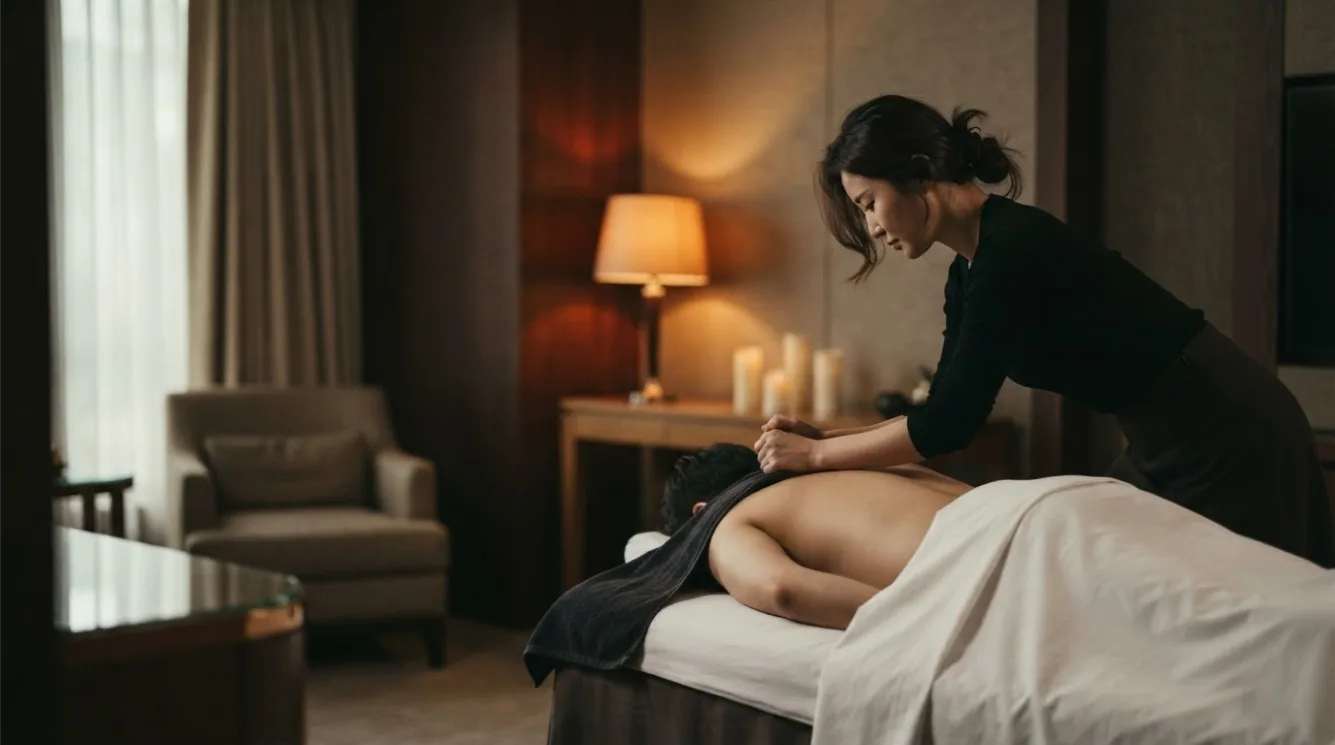
For an in-room booking inquiry, send your Daegu hotel name and exact address after the return route is settled. State the preferred service and duration, and ask for current availability and the full local quote. A textile-shopping itinerary cannot establish massage coverage or transport time for a practitioner. If bulky goods will occupy the room, put them away before the confirmed visit. Check the hotel’s visitor rules and lobby handoff while collecting any stored belongings. The appointment message can then be concise: a defined property, a realistic time and an agreed service, with the shopping day already brought to a clear ending.

Plan the visit around your actual stay
For Daegu Outcall Massage, use the receiving property and your room-ready window when you enquire. Confirm current local availability before relying on a visit.