
Write down the actual needs
A traveler may need step-free access, short walking distances, frequent seating or an accessible toilet. Those are different requirements. Identify which matter for the proposed visit and ask the venue or relevant transport provider about the exact route. Avoid treating a general tourism description as a complete access assessment.
Give the day a verified anchor
Choose one destination whose current arrangements can be confirmed, then build a modest surrounding chapter. A shorter route with suitable access is more valuable than a broad circuit based on assumptions. Keep a fallback that offers a real experience rather than merely waiting somewhere while others continue.
Review transfers as well as venues
The approach from a station, vehicle drop-off or hotel can matter as much as the building entrance. Save exact locations and allow the route to change when conditions differ. The useful guide does not promise universal accessibility. It helps identify the practical questions that turn a vague plan into an appropriate one.
A verified anchor starts with the entrance and actual needs
Write the practical requirements for the outing before choosing a district: step-free entry, a manageable route length, a particular facility or a place to sit. Those requirements should lead to an actual venue and approach that can be checked. Korea Tourism Organization’s accessible-travel information and a venue’s own current guidance can help investigate specific destinations. A broad description such as modern Songdo, convenient Gangnam or flat waterfront is not enough to establish the entire route. The selected anchor should remain worthwhile if every optional extension is removed.
For a museum day, locate the public entrance, the relevant exhibition area and any facility that matters to the traveler. The National Museum of Korea publishes visitor and convenience information for its Yongsan site, providing a concrete starting point for further checks. Do not infer that every program or room has identical arrangements. Ask the institution about the particular requirements and date when needed. The point is to choose a useful cultural subject around verified participation, not to arrive at a famous destination and discover that the essential approach was never examined.
Transfers deserve the same attention as the attraction
Save the route from the hotel entrance to the departure point, the arrival point and the final venue approach. A station named after a district may have several exits, and the exit closest on a map may not provide the route the traveler needs. Use current transport and operator information for the actual journey. A taxi or drop-off plan also needs a legal and practical meeting point, not an assumed curb beside a photograph. The venue’s accessibility and the transfer’s suitability are separate questions. Both must fit for the day to work.
An outdoor setting such as Yuldong Park, Dongtan Lake Park or a Seoul river approach should be checked at the selected segment. A broad park identity cannot establish every surface, crossing or facility. If the preferred route cannot be verified, choose a different anchor rather than ask the traveler to investigate uncertainty on arrival. The shorter version should have a real subject or seated setting. A companion who needs less movement can participate meaningfully without being assigned to wait while the rest of the group follows the main attraction list.
Choose the meal and optional chapter through the same method
A restaurant can be the shared anchor for travelers using different route versions, but check its actual entrance, seating and facilities when they matter. A district’s café reputation does not answer these questions for a particular business. The current menu and ingredients should also fit the group. Save the exact reunion venue and a contact method before companions separate. The meeting should be understandable from both versions of the outing, and the shorter chapter should contribute something to the shared conversation rather than serve only as a holding pattern.
After the anchor, add one optional stop only if its approach and purpose are clear. A market browse, public-space chapter or another display can provide contrast without turning the day into a long circuit. Keep the ending route verified as carefully as the beginning. A destination described as accessible should not be generalized into a guarantee about every nearby street. The successful day is the one that fits the traveler’s stated needs and chosen interest, not the one that covers the greatest number of well-known places.
A room appointment has additional building and service questions
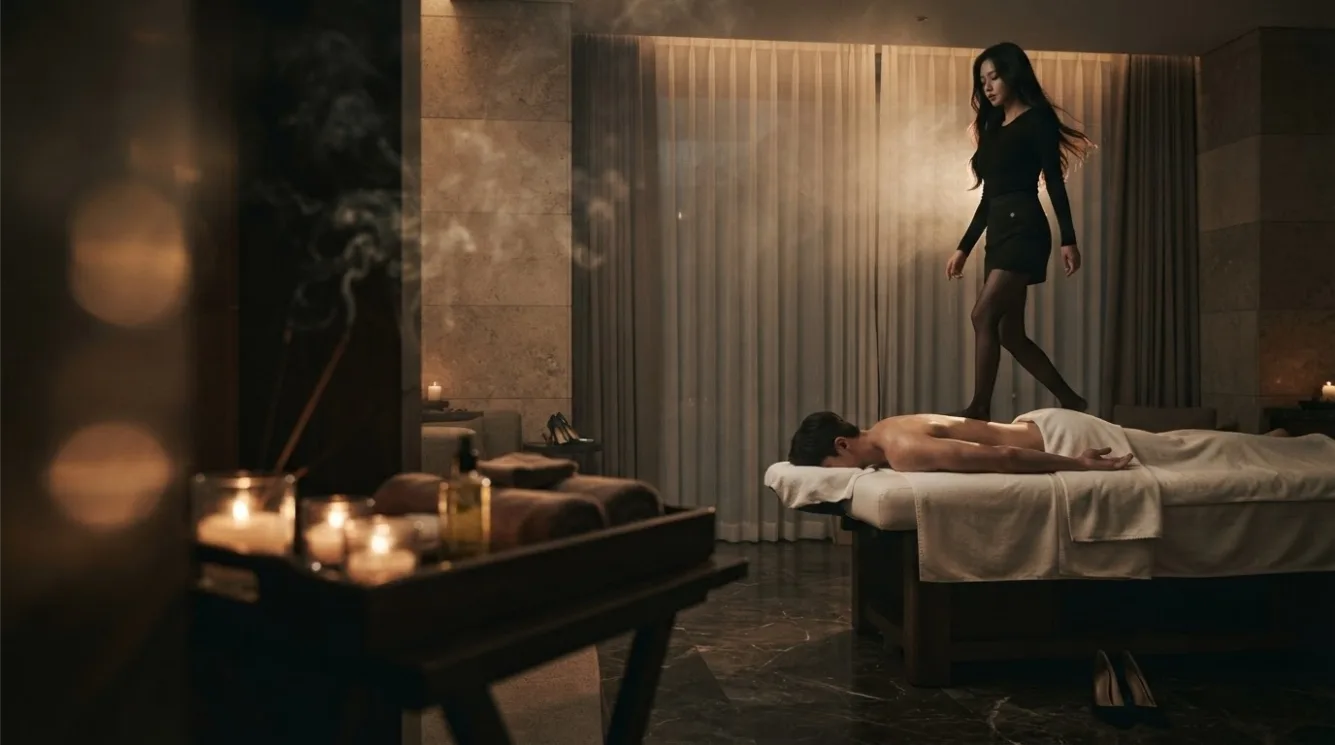
For an in-room request, identify the actual accommodation and desired course, duration and time preference. Ask the booking team about availability, the complete quote and any practical setup that affects the requested service. Check visitor access with the building separately, including a permitted arrival meeting point that does not create an unnecessary journey for the traveler. The sightseeing route does not establish the suitability of the private service or the hotel room. Keep personal information limited to what is needed to review the request, and obtain appropriate professional advice if a physical condition raises a separate question about massage suitability. A verified outing and a confirmed appointment each depend on their own concrete arrangements.
Plan the visit around your actual stay
For Korea Outcall Massage, use the receiving property and your room-ready window when you enquire. Confirm current local availability before relying on a visit.