
A station-centered day
Use the actual arrival point and accommodation address to organize the first route. A city-center meal or short commercial circuit can be enough after travel. Avoid assuming that a destination using the city name is near the station. Saving full addresses makes the larger geography visible before the trip becomes a series of corrective transfers.
A Songtan-centered day
Songtan’s tourist and commercial setting offers a different chapter, especially around the market and public streets. Choose a food or browsing theme rather than treating the whole area as one attraction. A visit can be substantial without any assumption of access to restricted facilities nearby.
Compare them on separate occasions
During a longer stay, give each center a clear role and compare how the streets and businesses feel. A rushed combination can leave only the memory of transport. For a short stay, choose the center that matches the main appointment or leisure interest and keep the other optional.
Two centers need two different purposes
Pyeongtaek Station and Songtan are distinct parts of the stay, so begin by naming the reason to visit each. The station-centered version may support arrival, a city-center meal and an uncomplicated first evening. The Songtan version can investigate the international commercial and market setting identified in official tourism information. Neither purpose requires pretending that the entire municipality is one compact attraction. Save the actual accommodation, arrival point and proposed meal or browsing venue. The city name is useful at regional scale; street addresses make the day workable.
For a short trip, select the center that matches the principal appointment or leisure interest. If work is the main purpose, use the company’s full location rather than a city label to choose the base. If a market visit is the main subject, give it a defined food or shopping question. Someone interested in Songtan’s international commercial character can focus on the public streets and businesses without assuming access to nearby restricted facilities. A station-led visitor can make an equally substantial day through a clear city-center purpose. The choice should follow the actual trip, not the frequency of a place name in search results.
Songtan’s public commercial setting is the visit
Official tourism identifies Songtan as a special tourist zone with shopping and food-related appeal. Treat that identity as a starting point for choosing an actual public street or market venue. Look at the products, menus and public-facing signs that interest you, then ask practical questions about the chosen purchase or order. A district associated with international visitors does not guarantee that every menu is in your language or that every business offers identical service. Verify the actual venue. The outing can be informative through a few specific observations without making claims about the whole community.
Keep restricted areas outside the itinerary unless you have independently established a lawful access arrangement for a separate purpose. A tourism visit to public commercial streets does not provide a right to enter a military installation or pass a controlled gate. There is no need to make such access the centerpiece of the day. A market meal and a short public circuit can introduce the local setting on their own terms. Ask permission before photographing people or business activity closely, and keep entrances clear. Record the meal or product choice and the public street detail that helped explain the visit, keeping the account tied to the places actually used.
A longer stay can compare the centers on separate days
Give the station-centered day a practical urban subject and the Songtan day a defined market or dining subject. Keeping them separate allows each to have a clear ending rather than turning the comparison into a day of transfers. Save one observation from each: perhaps a product category, a meal arrangement or the way a public street connects to the arrival point. Compare those details afterward without ranking an entire center from one short visit. The time and exact location of the outing affect what you see. A repeated visit may refine the picture rather than confirm a fixed first impression.
Transport should be planned for the exact endpoints and date. Do not infer that a hotel using Pyeongtaek in its name is near the station or that a Songtan address is a minor extension of the same walk. Examine the current route and keep a readable destination saved for the return. Purchases, luggage or a group meal can change what is practical later in the day. A shorter outing near the base may be better after a work appointment, with the other center reserved for a freer window. The comparison gains value through attention, not through simultaneous coverage.
Booking uses the room location, whichever center you visit
An in-room inquiry should provide the actual Pyeongtaek or Songtan accommodation and requested course, duration and time. Ask for current availability and the complete price at that address. Do not supply the station or market as the visit location if the service is intended for a hotel room. Confirm the property’s visitor procedure and the meeting point before relying on a room number. The outing center and the accommodation center may differ; making that distinction explicit helps the dispatcher review the request accurately. The local guide then supports real travel choices, while the appointment is established through a separate confirmation.
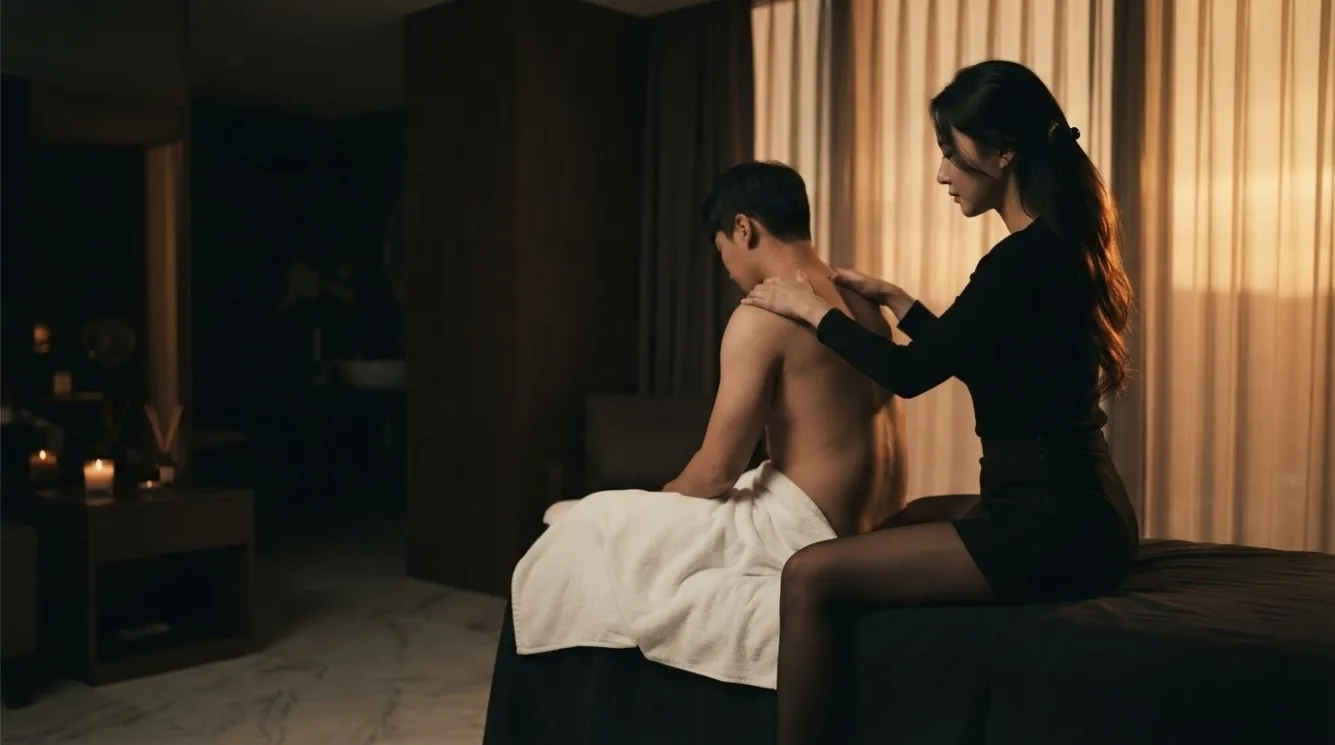
Plan the visit around your actual stay
For Pyeongtaek Outcall Massage, use the receiving property and your room-ready window when you enquire. Confirm current local availability before relying on a visit.