
Choose observation over a doorway hunt
Look at rooflines, how lanes follow the hill and how traditional forms sit beside later buildings. A small number of carefully chosen viewpoints is more rewarding than copying a long list of photo positions. Avoid standing in front of entrances or photographing inside private spaces. When a lane becomes crowded, take that as a reason to shorten the stop rather than to wait until the street can be occupied for a photograph.
Build a route with a clear exit
Before starting, choose where the walk will end and how you will rejoin a larger street. Slopes and steps make a simple straight-line distance misleading. A route can remain worthwhile even if you omit an uphill section. For mixed walking abilities, agree on a meeting point outside the narrow lanes and split briefly only if everyone is comfortable doing so.
Use the visit to ask better questions
Follow the walk with a public cultural venue or another heritage site where interpretation is encouraged. Questions about construction, household life and changing neighborhoods belong in that setting, rather than being directed at residents who happen to be passing. This turns the visit from a collection of roof photographs into a more thoughtful understanding of a lived-in part of Seoul.
What an attentive visitor can notice
A residential heritage walk invites attention to boundaries. Notice where a public lane narrows, where a doorway meets the street and how a roofline is seen from an ordinary walking position. Those observations do not require climbing onto a threshold or asking a resident to become part of the photograph. If a group wants a portrait, choose a public space where the session does not block movement and keep it brief. A useful discussion afterward can distinguish architectural interest from access: a building may be visually compelling while remaining entirely private. This is also a good place to examine your own route choice. Did the walk follow a hill naturally, or did it make unnecessary detours to copy viewpoints? The more considerate route can be the more informative one because it lets the neighborhood remain legible as a functioning place. A visit should end with a better understanding of that relationship, rather than an assumption that heritage status suspends everyday privacy.
Residential observation begins before the first photograph
Bukchon's appeal includes the relationship between architecture and a lived-in neighborhood. That makes conduct part of the itinerary, not a small note at the end. Before following a narrow lane, look for current public guidance, local notices and signs indicating private access. A route posted online may no longer be appropriate at every hour or for every group. Avoid treating a residential doorway as a photography station. A quiet passage can still interrupt a home if visitors stop there repeatedly or lean into the entrance.
A good photograph can explain a public streetscape without exposing people or interiors. Frame roofs, street gradients or the relation between buildings from a position that leaves passage clear. If several people want the same view, take turns without spreading across the lane. A visitor using a large camera should consider where the equipment is being placed. The point is to notice the neighborhood's form while allowing its ordinary use to continue.
Choose an interpretation stop rather than inventing a history
Architectural appearance does not tell you the date, ownership or full story of a house. Use a public interpretation venue or credible visitor material to support the details that matter to your interest. Then look for a small number of features you can recognize in the street. This approach is especially helpful for travelers writing captions: distinguish what a source identifies from what you personally observed. You can describe a roofline, gate or steep approach without claiming a historical narrative you have not checked.
A seated break should belong to a business that welcomes visitors, rather than to a wall or residential threshold. If the café setting is part of your interest, choose a venue whose actual interior arrangements suit the group. A quiet conversation and time to compare observations can deepen the visit more effectively than adding another lane. Visitors who find stairs difficult should map the approach to the intended stop before heading farther uphill. The neighborhood's name alone cannot establish an accessible route.
The accommodation decision is a different kind of privacy question
A hanok stay and a visit to a hanok neighborhood are different choices. Before booking accommodation, ask about the room's private facilities, luggage approach, heating or cooling arrangements and check-in process. Do not infer room features from an exterior photograph. A guest traveling with children or older relatives may value an easier entrance over a picturesque lane. A business traveler may need a reliable work setup and a predictable departure journey more than proximity to a particular photo location.
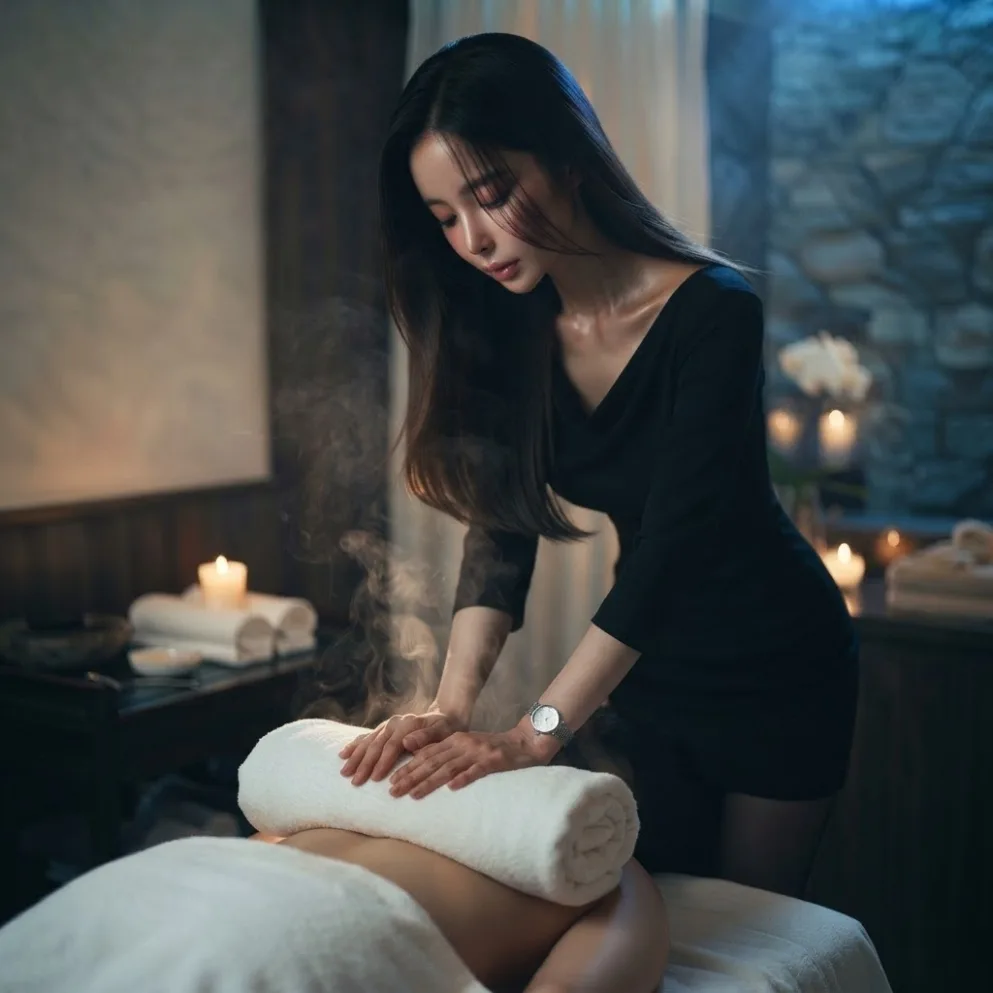
If you intend to request an in-room massage, ask the accommodation about its visitor policy and practical entry arrangements. Residential surroundings call for a clear meeting point and considerate arrival; they do not justify promises of absolute secrecy. Provide the exact property and room details privately to the coordinator, and establish whether a lobby or exterior entrance meeting is appropriate. Reserve only for a time when you can receive the therapist and answer messages. The same respect for real residential use that shapes the daytime walk should shape the evening arrival.
Plan the visit around your actual stay
For Seoul Outcall Massage, use the receiving property and your room-ready window when you enquire. Confirm current local availability before relying on a visit.