Give one indoor site the lead
Choose a museum, gallery or cultural venue according to your interests and verify its current program. Keep a second indoor destination as an alternative rather than scheduling both automatically. A rainy day can provide the time needed to read interpretation and look closely. It should not become a frantic attempt to replace every outdoor stop with another ticketed attraction.
Treat crossings as part of the route
Map the actual building entrances and the short street segments between them. A station with many exits may not put you near the doorway you need. Carry purchases only after the main visit if possible, and use a seated meal to dry off and reassess conditions. If one stop requires a disproportionate transfer, omit it rather than preserving the itinerary at all costs.
Keep an outdoor option genuinely small
A brief central-city walk can remain worthwhile if the weather eases. Choose a route that can be shortened immediately and ends near transport or shelter. The day’s identity should be the cultural theme, not the determination to complete a circuit. This produces a more relaxed memory than spending the afternoon chasing dry weather between distant neighborhoods.
A two-option plan that keeps the subject
Write a primary indoor visit and a secondary indoor alternative around the same interest. A traveler focused on art can choose another art-related venue, while a history-focused traveler can select interpretation that answers a related question. Verify both before the day, but visit the alternative only if the first is unavailable or the group genuinely wants more. The surrounding walk should connect useful entrances and a meal, not merely consume time until rain stops. If the primary visit proves absorbing, stay longer and omit the second. A rainy itinerary can become richer through sustained attention instead of constant replacement. Keep bags and wet outerwear manageable, and select a seated pause early enough that it feels chosen rather than compulsory. The day then has one clear identity despite the weather: a cultural subject explored carefully, with practical movement kept small enough to preserve energy for looking and conversation.
A rainy-day loop should minimize exposed transitions
A central cultural loop in rain is planned through its connections, not only its indoor destinations. Place the accommodation, one principal venue, a meal and a possible second stop on the map. Inspect the street-level approach between them. Two indoor venues can still require an inconvenient exposed walk, an indirect entrance or substantial movement through a large building. Choose fewer transitions if the group's comfort would otherwise depend on the rain stopping.
Make the most important venue the first confirmed chapter and check its current visitor arrangements. An alternative indoor stop should answer a related question, not simply be the nearest large building. If an exhibition is unavailable, consider a different interpretive chapter rather than adding several generic shopping stops automatically. A coherent theme makes the route feel intentional even when the weather forces a shorter geographic range.
Food should become a real pause in the sequence
A seated meal is especially useful when it provides a dry, comfortable interval and a chance to reassess the route. Choose a venue with a menu that suits the group rather than one that requires a long additional transfer. Wet coats, bags and umbrellas can make a very small room awkward, so inspect the actual space. For a traveler with dietary needs, ask about preparation directly. A restaurant's location inside a large complex does not settle those questions.
After the meal, decide whether the second cultural chapter still improves the day. A person who has lost concentration or is tired can return to the accommodation while another continues, provided the reunion and entry arrangements are clear. There is no requirement to fill every rainy hour with a different attraction. Comparing a few meaningful observations from one venue can produce a better visit than moving continuously between indoor places whose subjects have little relationship.
Room access and clothing changes affect the evening
When choosing accommodation, compare the real connection to the day's main venue with other trip needs. A hotel advertised as central may still have a different guest entrance from the map pin. Save the full branch name and check the route with luggage. If weather changes your plans, returning to the room to dry off can be a sensible chapter rather than an admission that the itinerary has failed. Keep any further dinner plans realistic after that return.
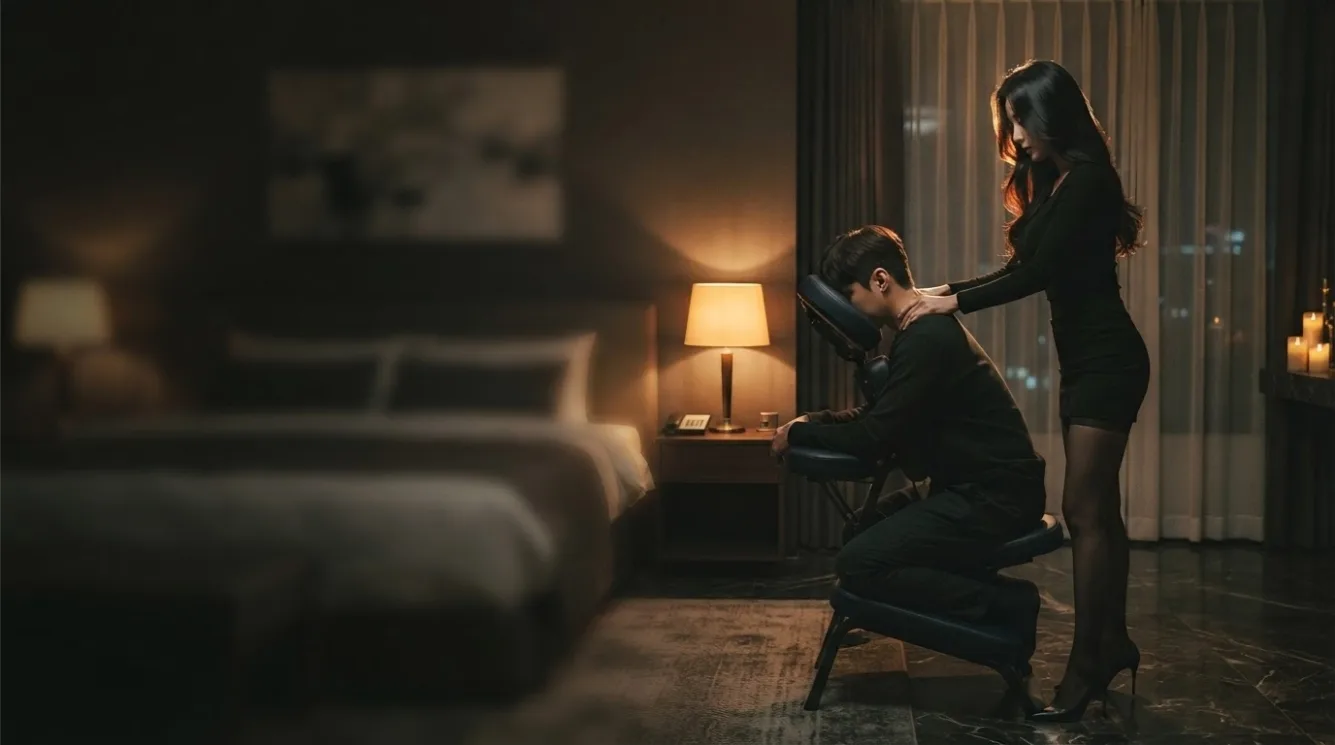
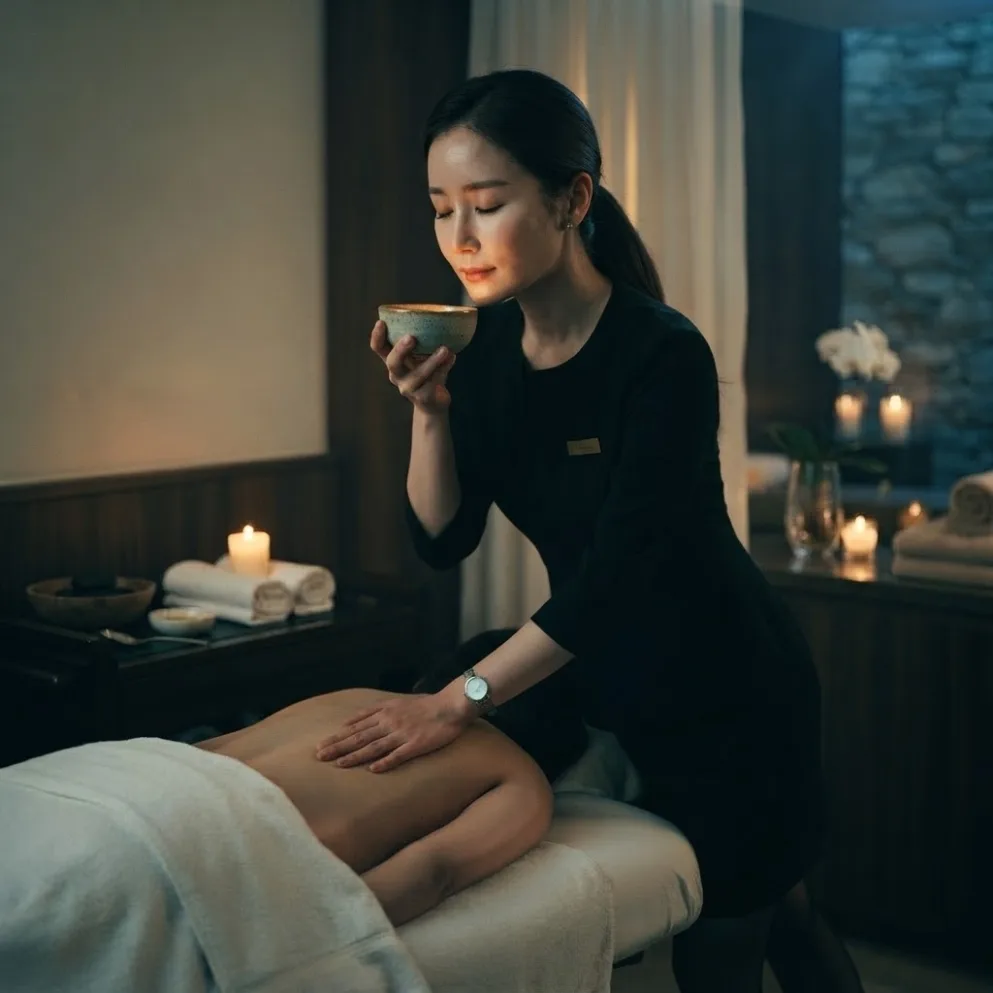
An in-room massage request should reflect the time you will be settled and able to receive a visitor. Tell the coordinator if you need to return, change clothes or finish a meal first. Do not assume that rain guarantees either a faster arrival or an immediate delay; dispatch depends on the actual circumstances confirmed at booking. Describe pressure preferences and arrange a lobby meeting if key-controlled elevators require it. The same practical sequencing that makes the cultural loop comfortable should give the private session a clear start rather than placing it immediately after an uncertain wet-weather transfer.
Plan the visit around your actual stay
For Seoul Outcall Massage, use the receiving property and your room-ready window when you enquire. Confirm current local availability before relying on a visit.