Choose one building-led stop
Pick a café, exhibition or shop because its space interests you, then allow time to see the building and surrounding street. The point is not to prove how many venues you can enter. If a temporary event has a long wait, decide whether the event itself matters or whether a quieter venue would satisfy the same curiosity. Avoid relying on a particular pop-up being present later; temporary programming is not a permanent itinerary anchor.
Give the park its own time
Seoul Forest is a substantial urban green space, not simply an extra photograph between shops. Choose a manageable section and a return direction. Paths, weather and how often the group stops will matter more than a theoretical loop length. Keep a sheltered alternative nearby if the weather changes, but do not promise that every park facility or exhibition will be available on your visit.
Finish with a deliberate contrast
If the first half was indoors and busy, end with a short park walk; if the afternoon began outdoors, use the final café stop as a seated pause. A return journey from the final location should be checked before adding dinner elsewhere. You will leave with a clearer impression of Seongsu when the day includes space between commercial stops.
Keep the craft district in the picture
Seongsu’s official visitor information also identifies a handmade-shoe district near the station. That adds a useful question to the café-and-park route: how does a working craft identity sit beside newer visitor uses? You can look at public-facing shops and signs without assuming workshops are open to casual tours. If footwear interests you, ask about a real product, fitting or material rather than requesting access simply because the area is famous. The park then provides a different kind of public space for comparison. One traveler may be interested in interiors while another prefers landscape; the two-chapter day gives both interests a place. Keep any craft purchase near the final portion if you will otherwise carry it through the park. This approach avoids treating Seongsu as only a row of fashionable cafés. The afternoon can examine production, adaptation and open space through the actual objects, building information and public landscape encountered; keep one concrete observation from each chapter to compare over the meal.
Decide whether Seongsu is about buildings or browsing
A Seongsu visit can become a succession of storefronts unless you give it a question. Someone interested in reuse might compare entrances, ceiling heights, structural elements and the relationship between the old shell and the new business. Someone interested in shopping may instead want to examine products carefully and understand what is available. These are both reasonable days, but they ask for different pacing. Choose a few actual destinations and leave space between them for observation rather than collecting every prominent building on a map.
Adapted industrial-looking spaces should be described cautiously. A visible brick wall or large opening does not prove a building's full production history. Use a venue's documented description for specific former uses and distinguish it from what the space merely suggests. If a temporary installation is part of the plan, verify current entry arrangements independently. The neighborhood remains worth reading even when a particular promotion or pop-up has ended.
Seoul Forest should provide a change of attention
The outdoor chapter works best when it changes the rhythm. After detailed shop and building observation, a park route can focus on open space, planting and how people use a larger landscape. Choose the park entrance and the exit that fit your onward journey. The distance from a commercial address to a named park is less useful than the walk to the specific entry you intend to use. A traveler with limited energy can choose a shorter public circuit rather than treating the entire park as compulsory.
Food can sit between the two chapters. A seated meal gives you an opportunity to decide whether the park is still desirable given weather and energy. Compare a café used mainly for its interior with a restaurant chosen for a comfortable meal; they perform different roles. If someone is sensitive to crowded interiors or loud music, inspect the actual setting before committing. A famous frontage cannot tell you whether the group will be able to talk, rest or order a suitable meal.
Make the evening start where the room is
Accommodation choice should follow the wider trip. Staying near Seongsu may suit repeated local exploration, but a traveler whose meetings are elsewhere should compare the actual daily transfer. The property's approach and room arrangements matter more than a district label. Save a building address for an Airbnb and check whether taxis can reach the guest entrance. If shopping produces bags, returning to the room before a separate dinner may be more comfortable than carrying purchases through the park.
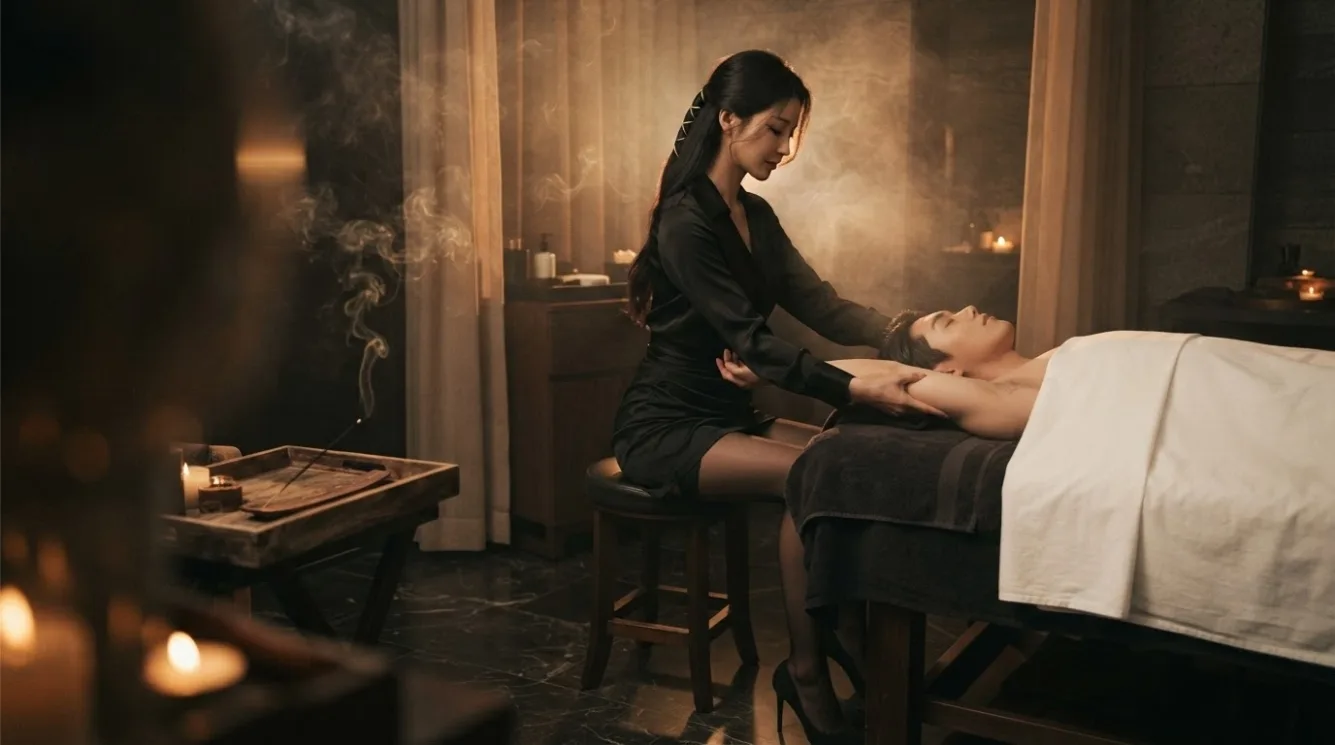
An in-room appointment should be scheduled around that return rather than around the end of a temporary event. Send the hotel name, address, room and preferred session details when you know you can receive the visit. If the building requires a key or door code, agree on an appropriate meeting arrangement with the coordinator. Do not post private access codes in a public review or guide. The value of pairing converted buildings with Seoul Forest is the contrast in pace; finish with enough room in the evening to check in, eat and respond to arrival messages without rushing.

Plan the visit around your actual stay
For Seoul Outcall Massage, use the receiving property and your room-ready window when you enquire. Confirm current local availability before relying on a visit.